Second Chance — Completed
Porsche Cayman S
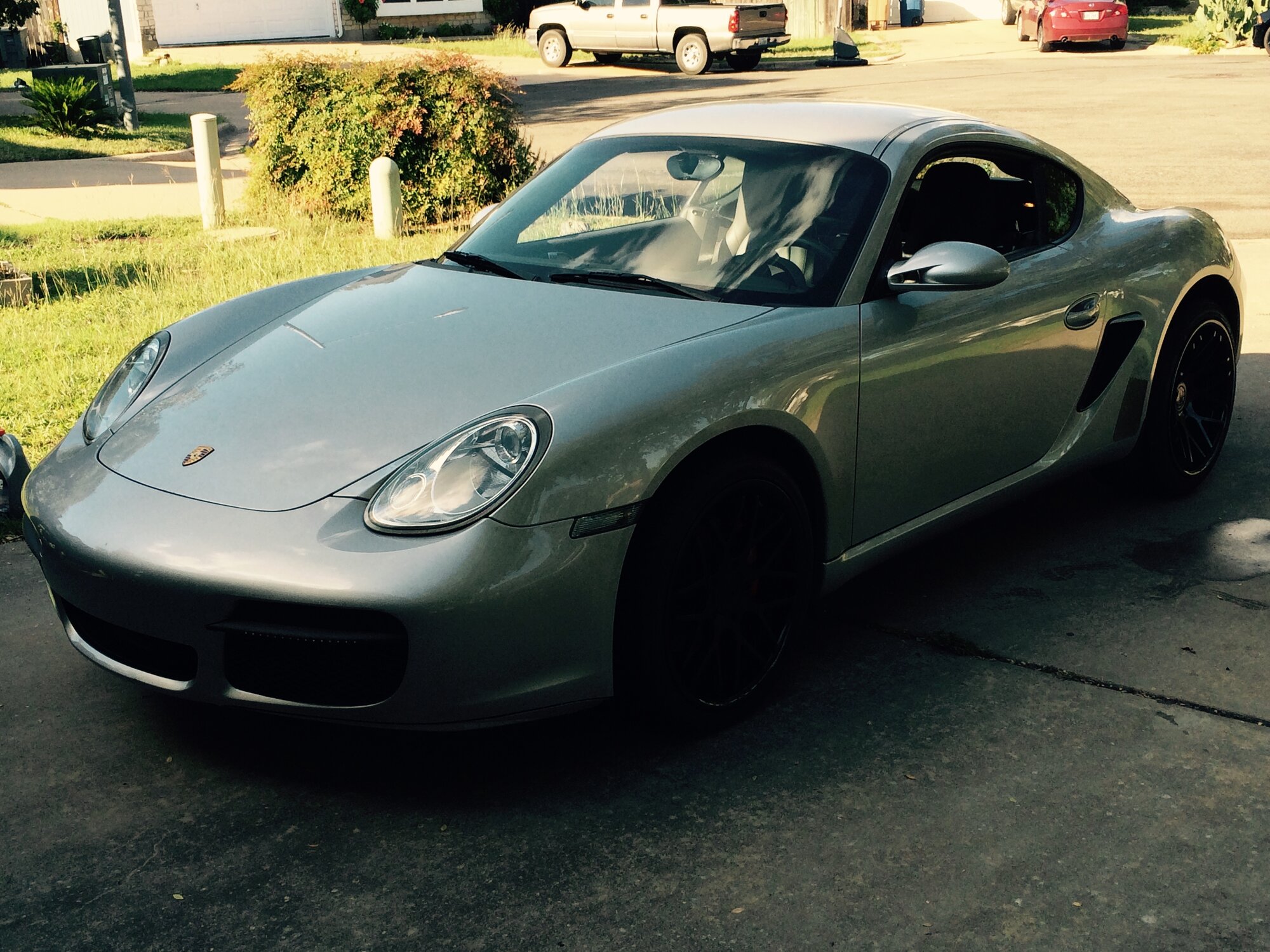
2007 Porsche Cayman S
A 2007 Cayman S recovered after being submerged in a lake, bought through a salvage broker in September 2013 and brought back over several years — one tested component at a time.
A finished build, written up after the fact. The earlier projects on this site are reconstructed from records, photographs and memory rather than logged as the work happened — Project Tremor is the first being documented part by part, in real time.
How it was found
Bought through RideSafely off an IAAI auction. There was no visible flood damage from the outside, but the frunk held gallons of standing water, the exhaust manifolds drained lake debris, and there was evidence someone else's whole life had been in the car before it went under. The engine, luckily, was never hydrolocked.
What the water cost
The body control module had failed, and it turned out to be tied to the immobilizer, the ECU, and the key as a matched set — sourcing all of it together was neither easy nor cheap. Everything that could hold water got drained and redone: coolant, brakes, fuel system, no exceptions.
Two years, two states
The engine rebuild happened that first winter in an unheated Iowa garage, following a sixteen-part YouTube series on a laptop propped on the workbench. The project then sat in storage for two years after a move for a sales opportunity, before being towed to Texas to finally come back to life.
Gallery
Additional photos
Scroll the row, or click any photo to enlarge it.
Notable components
Body control module, immobilizer, ECU, and key
Water-damaged as a matched set; had to be sourced together rather than individually
Wheels
Black, multi-spoke, wide rear fitment — added during the rebuild; exact brand not recorded
Coolant, brake, and fuel systems
Fully drained and redone as a precaution after the lake recovery, not based on confirmed damage
Financial summary
- Purchase
- $11,000
- Transport
- $850
- Sold for
- +$16,000
Recovered from a lake, bought as-is
Tow home
Several years later
Bought for $11,000, plus $850 to tow. Wheels ran another $2,000-$3,000, with a couple thousand more in parts across the rebuild. Sold several years later for $16,000 — close to breaking even before accounting for storage and incidentals, for several years of ownership of an exotic car. Selling it remains a regret; it's part of why the Rabbit stays in the lineup.
Lessons learned
- A water-recovery vehicle demands a slower, more exhaustive inspection than a typical collision-salvage car — corrosion and hidden damage show up in places a normal inspection wouldn't check.
- On this car, the body control module, immobilizer, ECU, and key were a matched set. Losing one to water damage means sourcing all of them together, which is far harder and more expensive than replacing a single failed part.
- A well-made video series can substitute for a specialized shop manual. The engine rebuild leaned on a sixteen-part YouTube series rather than professional experience — the willingness to learn mattered more than a background in exotic cars.
- A mid-engine car is a much harder place to work than a truck. Checking a single bolt on the Cayman's engine could mean hoisting the entire car or pulling the engine cover behind the seats — space that a truck simply doesn't make you fight for.